Technology

The intelligence is in the integration.

Solar generation, conversion, storage and monitoring only become a useful system when the connections between them are considered.

System relationships

One building. Connected decisions.

Equipment is selected within a system: the roof and loads, the electrical connection, the intended operation and the building interfaces.

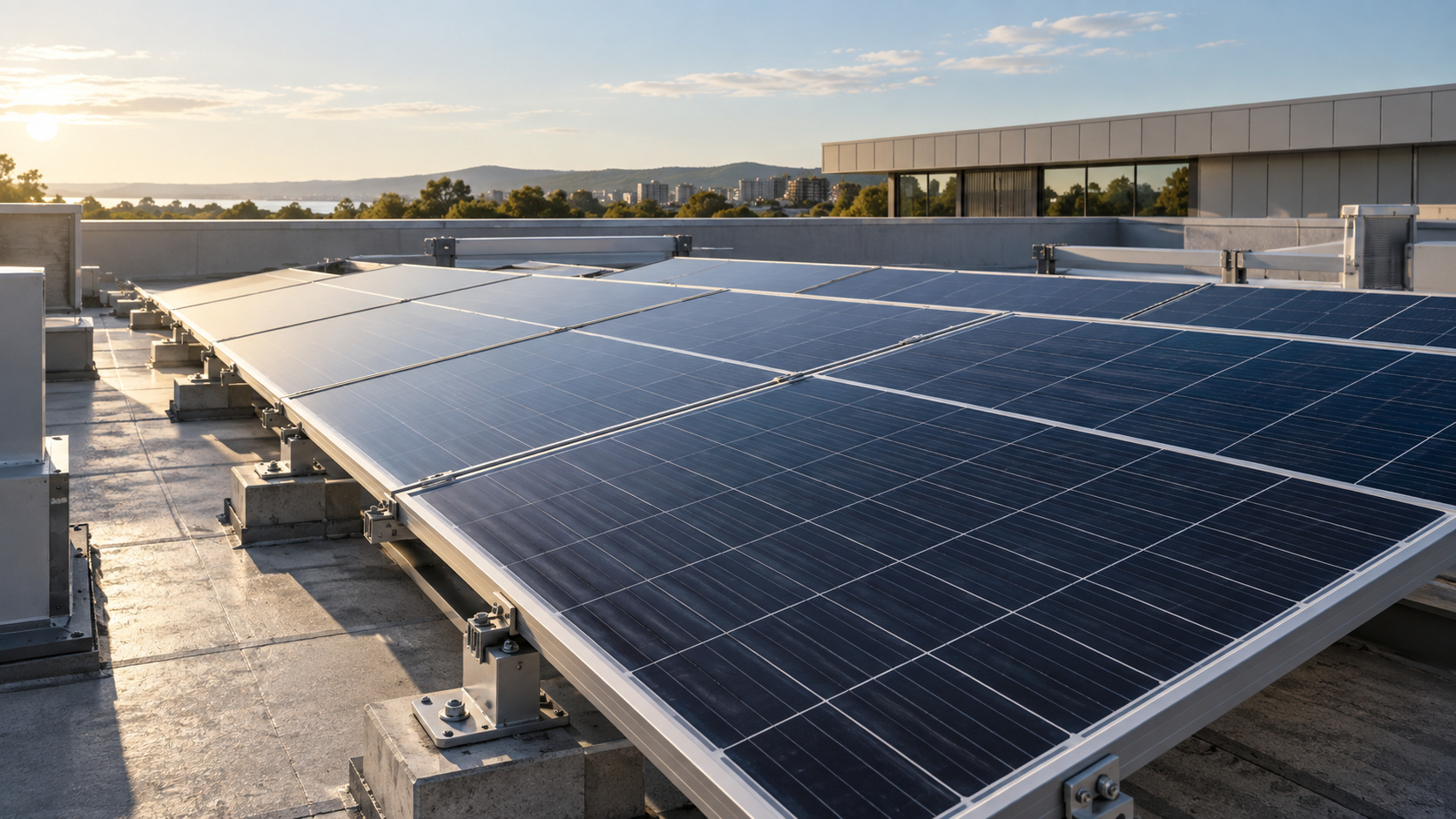
Illustrative commercial roof-mounted PV modules and mounting system
Concept / PV modules

PV modules

Capture solar energy. Layout and technology respond to the site and application.
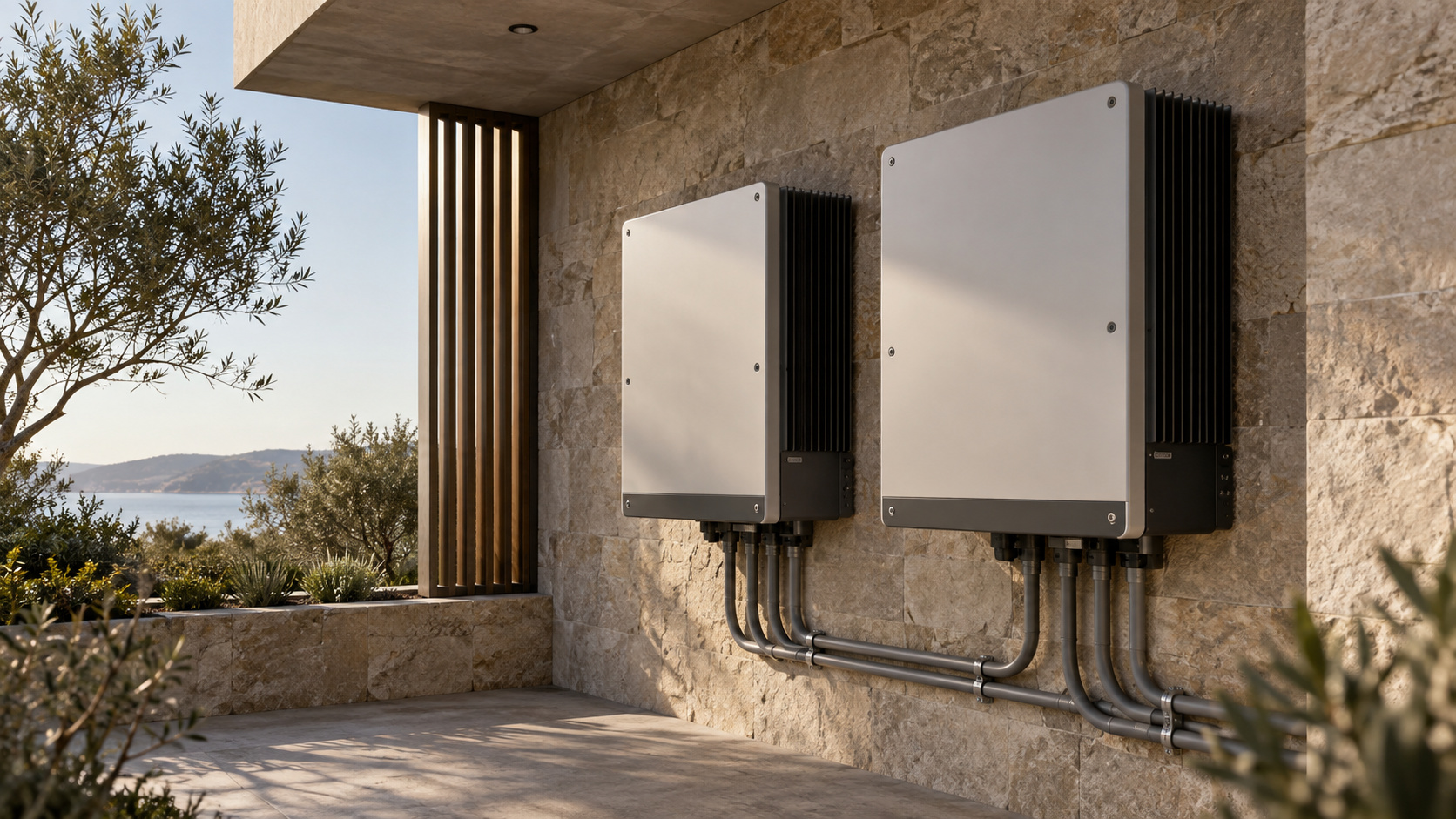
Illustrative closed string inverters with organised cable routes; not specified equipment
Concept / Inverters

Inverters

Convert electrical output and connect generation or storage to the AC system.
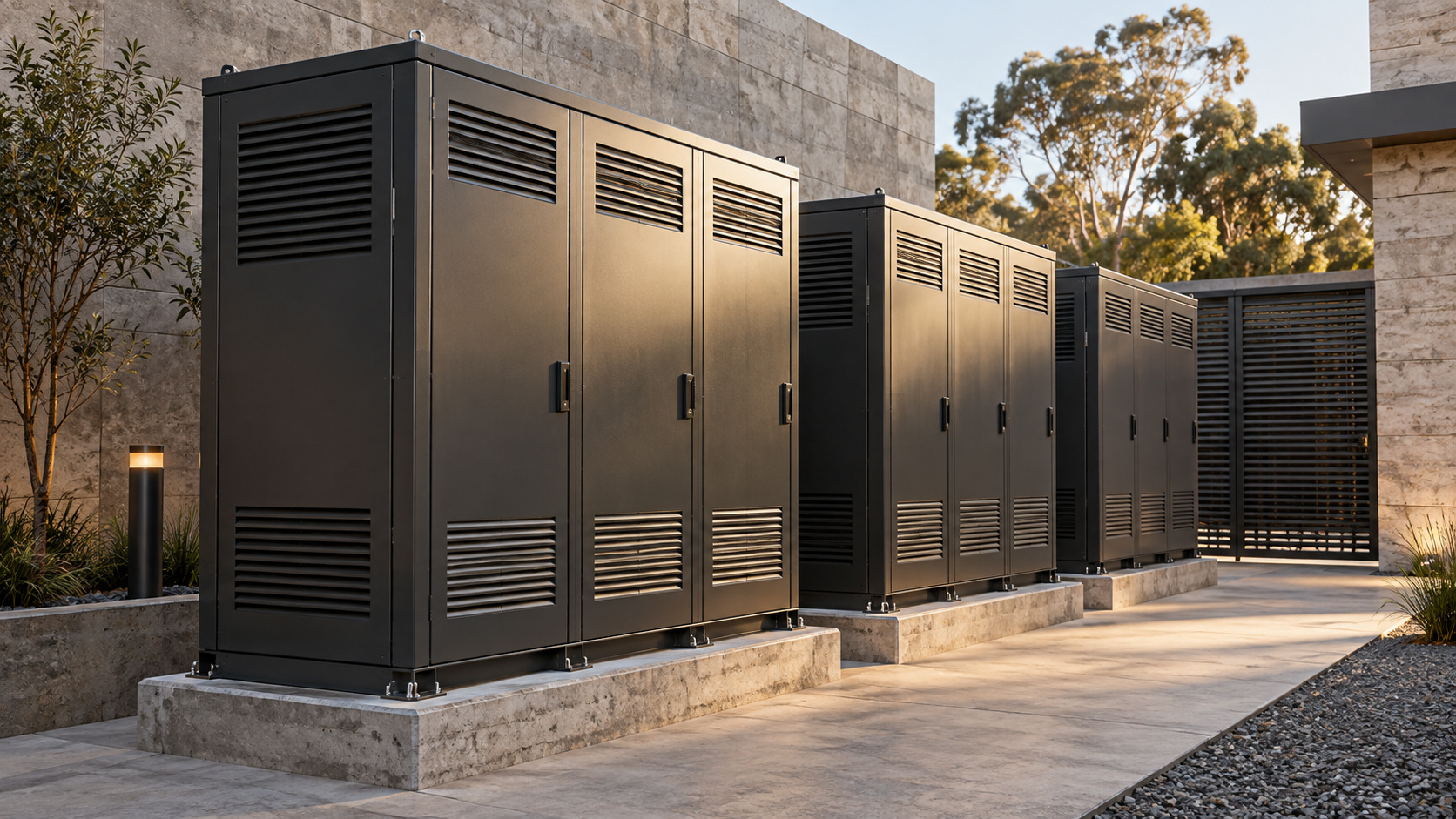
Illustrative commercial battery cabinets; not a specified product
Concept / Storage

Storage

Adds an energy reserve with capacity and power suited to an operating objective.
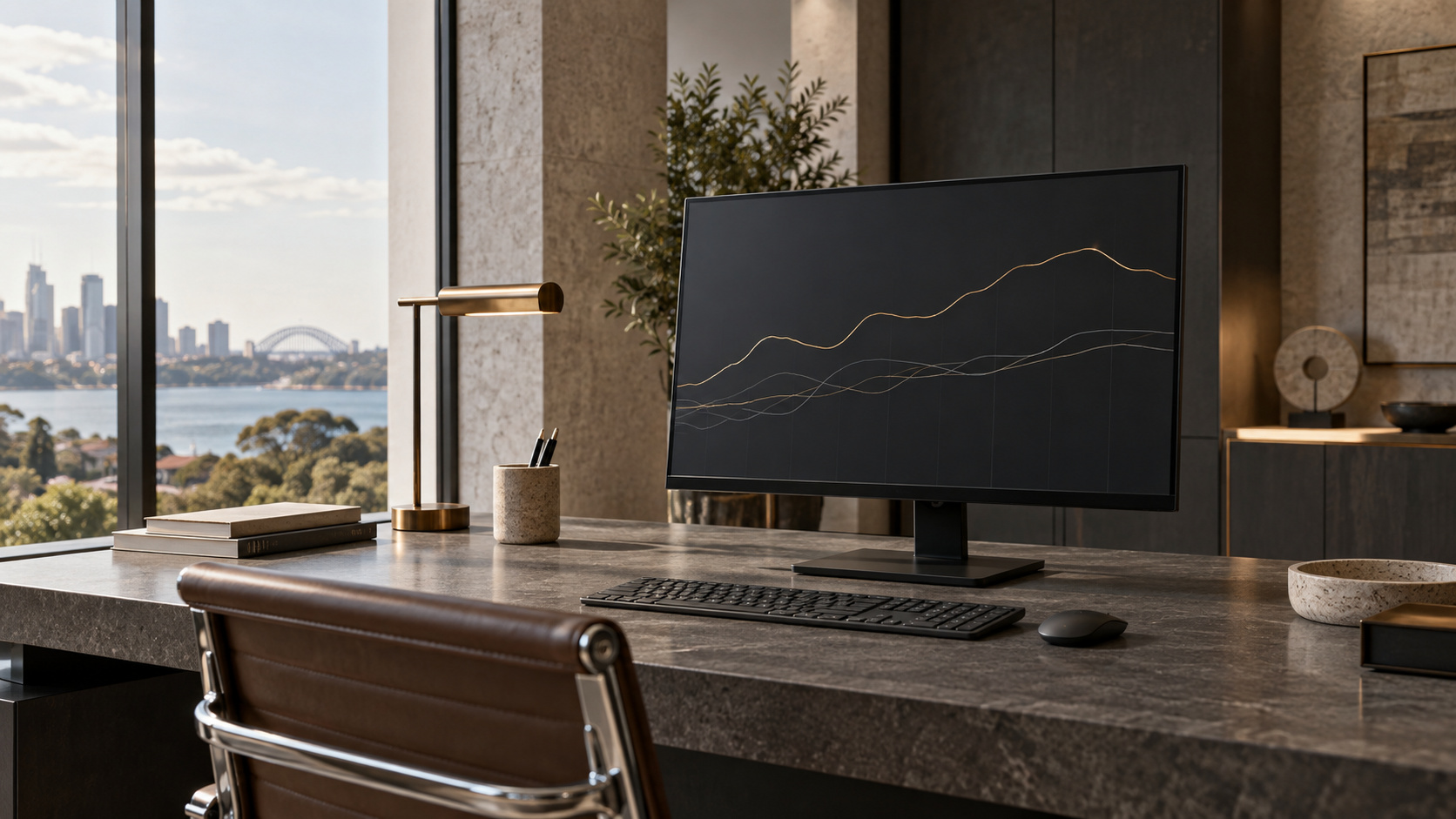
Illustrative monitoring workstation with abstract trends, not measured performance
Concept / Monitoring & controls

Monitoring & controls

Provide system information and support an agreed operating strategy.
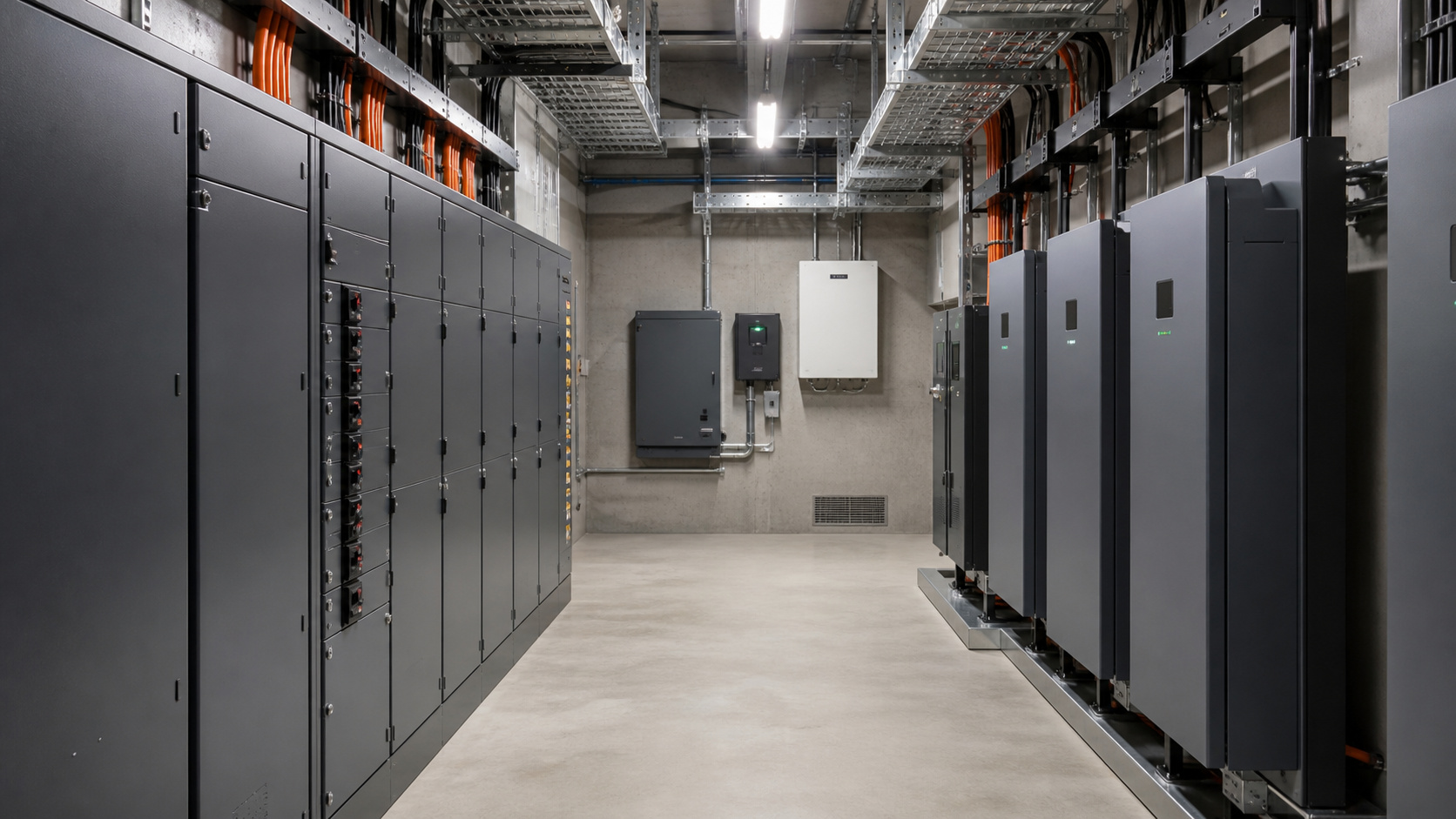
Illustrative commercial electrical room with closed equipment and organised cable routes
Concept / Building distribution

Building distribution

Connects generation, storage, the grid and the different building loads.
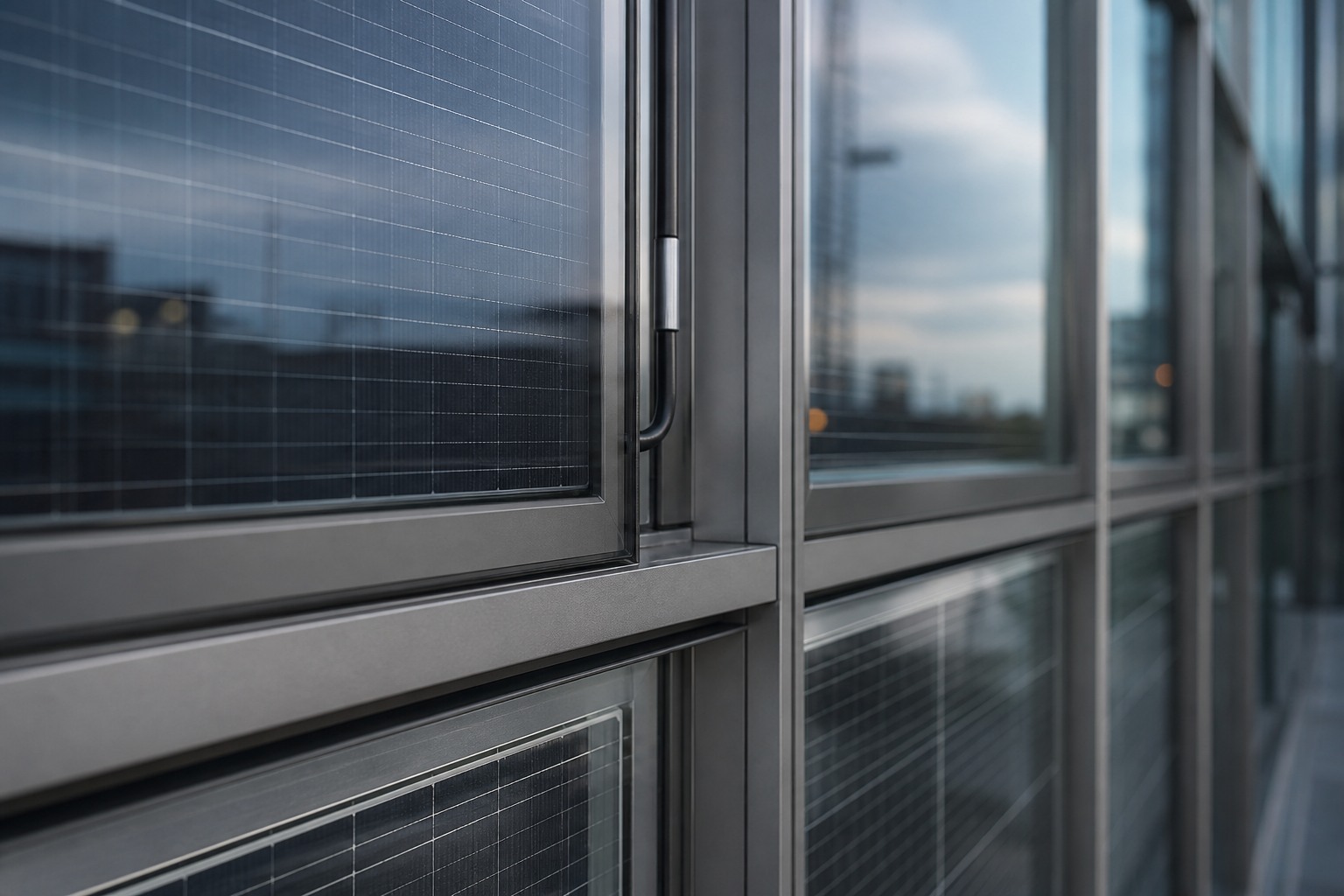
Illustrative photovoltaic glass and framing detail, not a product sample
Concept / Envelope integration

Envelope integration

Coordinates BIPV materials with façade, structural and electrical requirements.

An indicative arrangement

Power paths, clearly connected.

This AC-coupled example keeps grid, building loads and battery conversion connected at distribution. It does not imply one universal system topology.

System connections

From generation to building use.

Illustrative building energy connectionsAn illustrative electrical topology: PV array supplies an inverter through a DC route. The inverter supplies AC to the switchboard. Building loads and the grid connect separately to that switchboard. Optional AC-coupled storage has a separate battery inverter connection. Animation explains connections, not measured flows or a control sequence.PV arraySolar generationPV inverterDC to ACMain switchboardAC connection pointBuilding loadsUse on siteGridImport / exportBattery + inverterOptional AC-coupled storageDCAC
  1. PV arrayDC generation
  2. PV inverterConverts DC to AC
  3. Main switchboardAC connection point
  4. Building loadsElectricity used on site

At the switchboard: ↔ Grid↔ Optional battery + inverter

DC generation AC distribution Storage branch · ↔ two-way connectionIllustrative connections, not live energy data.
Design notes

Storage is shown as a separate AC-coupled branch. Metering, protection and isolation are omitted. Backup requires a separately designed arrangement. This is not a construction drawing.

Start with the system you need.

Discuss Your Project